


Landlord insurance protection for rental property

Landlord insurance helps protect your rental property, liability, and income. Get a quote, compare coverage options, and choose the right policy.

Landlord insurance quote

Types of landlord insurance coverage
Landlord insurance can help protect your rental property, liability, and rental income after a covered loss. A landlord insurance policy may include actual cash value coverage or replacement cost coverage, depending on the policy and coverage selection. Marble City Insurance helps landlords compare dwelling coverage, other structures coverage, landlord personal property coverage, liability protection, and loss of rental income coverage for stronger property insurance protection.

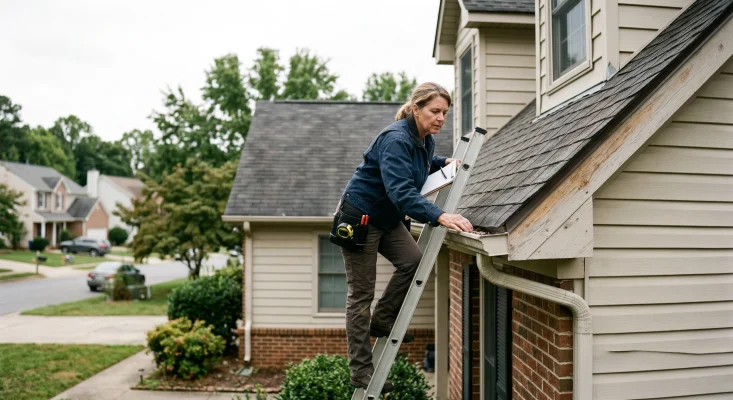
Dwelling coverage
Dwelling coverage, also called Coverage A, helps protect the rental property structure, including walls, roof, foundation, plumbing, electrical, and HVAC, against covered perils such as fire, wind, hail, and lightning. Landlord insurance dwelling coverage is a core part of property protection.

Other structures coverage
Other structures coverage, also called Coverage B, helps protect detached structures on the property, including garages, sheds, and fences. This landlord insurance coverage can help pay for covered damage to structures not attached to the main rental dwelling.
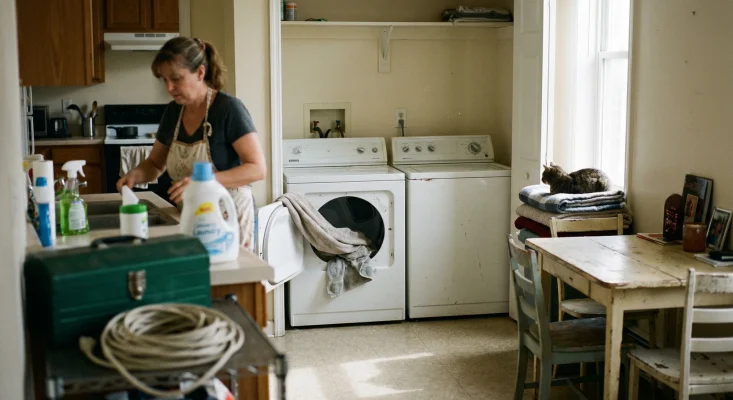
Landlord's personal property coverage
Landlord’s personal property coverage, also called Coverage C, helps protect property owned by the landlord and provided for tenant use, such as lawnmowers, snowblowers, refrigerators, stoves, or dishwashers. This landlord insurance coverage does not insure tenant belongings.

Landlord liability coverage
Landlord liability coverage, also called Coverage E, helps protect you if a tenant or visitor is injured on the rental property and you are legally responsible. This landlord insurance coverage can help with bodily injury claims, property damage claims, legal costs, and settlements.

Loss of rental income / fair rental value
Loss of rental income coverage, also called fair rental value coverage, helps protect rental income when a covered loss makes the rental property uninhabitable. Landlord insurance can help replace lost rent during repairs, subject to policy terms, limits, and coverage conditions.
Landlord insurance policy
A landlord insurance policy helps protect a rental property, the landlord’s liability, and rental income after a covered loss. Landlord insurance usually covers the dwelling, detached structures, certain landlord-owned property, liability exposure, and fair rental value, but it does not cover a tenant’s personal belongings. The right landlord insurance policy can help protect your property investment, income stream, and financial stability.
Landlord insurance cost
Landlord insurance cost can depend on property location, building age, replacement cost, claims history, deductible, liability limits, rental type, and selected coverage options. Insurance cost may also vary based on actual cash value coverage, replacement cost coverage, safety features, and endorsements. A landlord insurance quote helps you compare premium, policy limits, and overall coverage value.
Landlord insurance plan
A landlord insurance plan should match the rental property, the lease arrangement, and the protection you need. One landlord insurance plan may focus on standard dwelling and liability coverage, while another may add higher liability limits, loss of rental income protection, or endorsements for broader coverage. Marble City Insurance helps landlords compare plan options and build protection that fits the property and the budget.
Landlord insurance FAQs**
Landlord insurance is a policy that helps protect rental property, landlord liability, and rental income after covered damage, liability claims, or other covered loss.
To get landlord insurance, gather rental property information, review coverage needs, compare policy options, choose limits and deductible, and request a landlord insurance quote.
Landlord insurance is not always required by law, but mortgage lenders or property investment goals often make landlord insurance an important requirement.
Most property owners need landlord insurance to protect rental property, liability exposure, rental income, and financial stability after covered loss or claims.
Landlord insurance benefits can include dwelling coverage, liability coverage, landlord personal property coverage, loss of rental income protection, and financial protection after covered claims.
To make a landlord insurance claim, contact your insurance company or agency, document the damage, protect the property from further loss, and submit claim details.
The most common types of landlord insurance include dwelling coverage, liability coverage, other structures coverage, landlord personal property coverage, and fair rental value coverage.
Landlord insurance may cover tenant damage if the damage results from a covered peril, but intentional tenant damage and normal wear often are excluded.
Liability in landlord insurance helps protect you when bodily injury or property damage claims arise and you are legally responsible for the loss.
Landlord insurance may cover loss of rent through fair rental value coverage when a covered loss makes the rental property temporarily uninhabitable.
Landlord insurance may cover water damage from sudden accidental covered events, but landlord insurance usually does not cover flooding, seepage, or neglect.
Landlord insurance usually covers fire damage to the rental property when fire is a covered peril, subject to policy terms, limits, and deductible.
Landlord insurance may cover mold only when mold results from a covered loss. Long-term moisture damage and maintenance issues are often excluded.
Landlord insurance usually does not cover routine pet damage caused by tenants’ animals, though liability coverage may help in certain covered claim situations.
Landlord insurance does not cover tenants belongings. Tenants usually need renters insurance for personal property and liability protection.
Landlord insurance usually does not cover flood damage. Flood insurance is typically separate coverage for rising water and flood-related property loss.
Landlord insurance may cover plumbing damage when a sudden covered loss affects the system or the property, but maintenance and wear usually are excluded.