


Building insurance protection for your property

Building insurance helps protect your structure, property, and budget. Get a quote, compare coverage options, and choose the right policy.

Building insurance quote

Types of building insurance coverage
Building insurance can help protect the structure, attached features, detached structures, and repair costs after a covered loss. A building insurance policy may include actual cash value coverage or replacement cost coverage, depending on the policy and coverage selection. Marble City Insurance helps clients compare dwelling coverage, other structures coverage, improvements and betterments, ordinance or law coverage, debris removal coverage, and covered perils for stronger building protection.

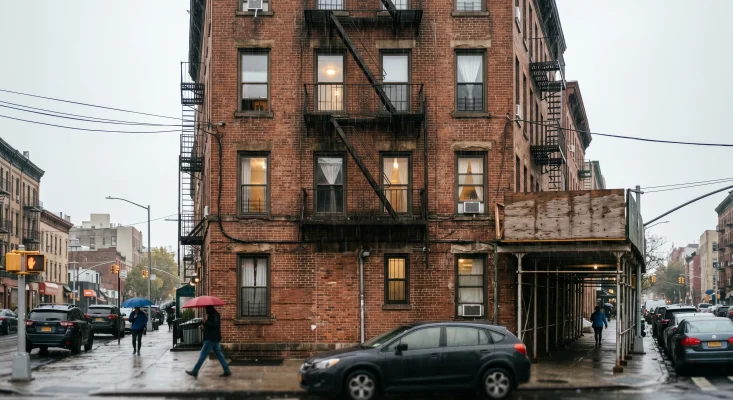
Dwelling coverage
Dwelling coverage, also called Coverage A, helps protect the main structure of a condo unit, apartment building, or other insured building. Building insurance dwelling coverage can help cover attached structures, walls, roof, floors, ceilings, and permanent fixtures such as plumbing, electrical, and HVAC systems after covered damage.
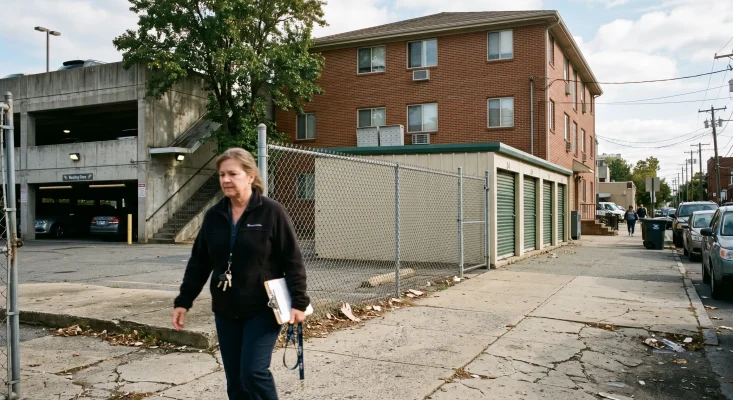
Other structures coverage
Other structures coverage, also called Coverage B, helps protect detached structures on the property, such as a detached garage, shed, guest house, or barn. Building insurance other structures coverage can help pay for covered damage to structures not attached to the main building.
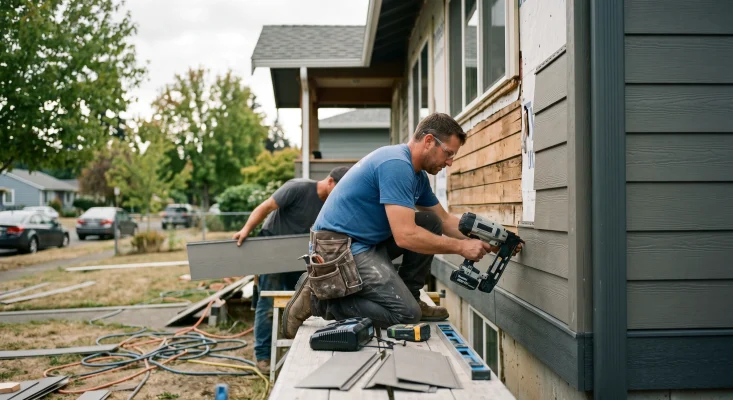
Building additions and alterations / improvements and betterments
Building additions and alterations coverage, also called improvements and betterments coverage, helps protect upgrades that add value to the building. Building insurance can help cover installed improvements, renovated features, and permanent alterations when covered damage affects those insured building additions.
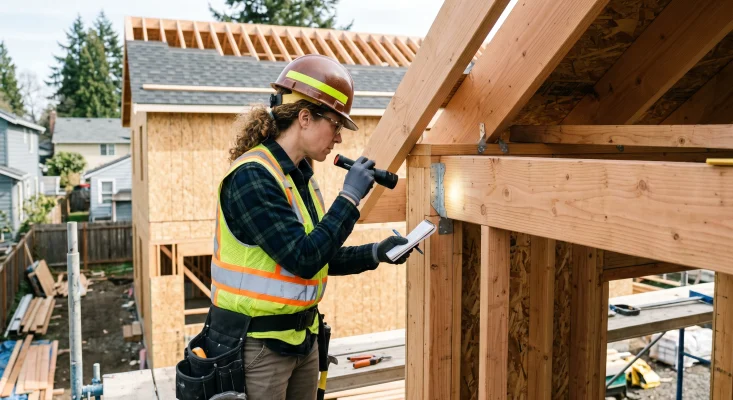
Ordinance or law coverage / building code upgrade / increased cost of construction
Ordinance or law coverage helps protect against building code upgrade costs and increased cost of construction after a covered loss. Building insurance with ordinance or law coverage can help pay for required repairs, demolition, and rebuilding work needed to meet current local codes.
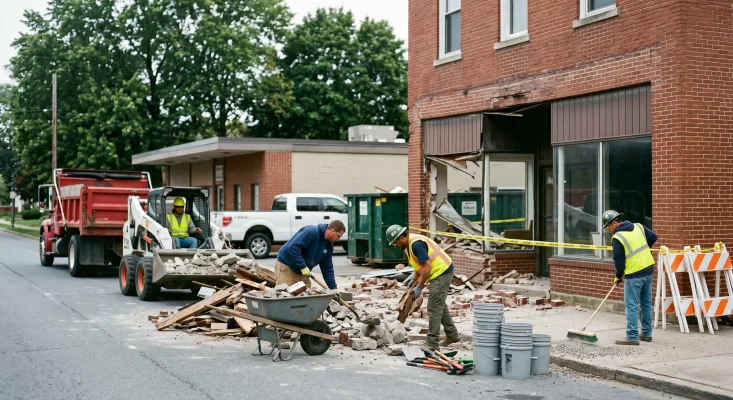
Debris removal coverage
Debris removal coverage helps pay for cleanup, removal, and disposal of damaged building materials after a covered loss. Building insurance debris removal coverage can help speed repair work after fire, storm damage, collapse, or other covered property damage.

Covered perils
Covered perils in building insurance may include fire, smoke, windstorms, hail, lightning, vandalism, malicious mischief, and certain water damage excluding floods. Building insurance coverage for covered perils depends on policy language, exclusions, limits, deductible, and endorsement choices.
Building insurance policy
A building insurance policy helps protect the insured structure, attached features, detached structures, and certain building-related repair costs after a covered loss. Building insurance can help cover structural damage, code upgrade costs, debris removal, and covered perils that affect the property. The right building insurance policy can help protect the building, the investment, and the budget with coverage that fits the property and the risk.
Building insurance cost
Building insurance cost can depend on property location, building value, replacement cost, construction type, claims history, age of the structure, deductible, liability limits, and selected coverage options. Insurance cost may also vary based on actual cash value coverage, replacement cost coverage, occupancy, protective devices, and endorsements. A building insurance quote helps you compare premium, policy limits, and overall coverage value.
Building insurance plan
A building insurance plan should match the structure, the property use, and the protection you need. One building insurance plan may focus on standard structural coverage, while another may add ordinance or law coverage, improvements and betterments, or broader protection for detached structures and covered perils. Marble City Insurance helps clients compare plan options and build building insurance protection that fits the property and the budget.
Building insurance FAQs
Building insurance is a policy that helps protect the structure, attached features, detached structures, and repair costs after covered property damage or loss.
Most property owners need building insurance to protect the structure, repair costs, and financial investment after fire, storm damage, liability claims, or other covered loss.
To get building insurance, gather property details, review coverage needs, compare policy options, choose limits and deductible, and request a building insurance quote.
To make a building insurance claim, contact your insurance company or agency, document the damage, protect the property, and submit claim details promptly.
Building insurance benefits can include structural coverage, other structures coverage, ordinance or law coverage, debris removal coverage, and financial protection after covered claims.
Building insurance is not always required by law, but mortgage lenders, property ownership responsibilities, and financial risk often make building insurance essential.
Building insurance may cover roof repairs when covered perils such as wind, hail, or fire cause sudden damage, subject to policy terms.
Building insurance coverage for subsidence depends on the policy, endorsements, exclusions, and local underwriting rules. Ground movement damage is often limited or excluded.
Building insurance may cover water leaks from sudden accidental covered events, but building insurance usually does not cover seepage, neglect, or maintenance.
Building insurance may cover broken windows when covered perils such as vandalism, storm damage, or accidental direct loss cause the damage.
Building insurance may cover burst pipes when a sudden covered event causes damage to the system or the building, subject to policy terms.
Building insurance usually protects the structure, not personal contents. Separate contents coverage or property coverage may be needed for belongings or movable items.
Building insurance usually does not cover damp caused by long-term moisture, poor maintenance, wear, or repeated seepage unless a covered loss applies.
Building insurance may cover drains when covered damage affects insured building systems, but maintenance issues, wear, and blockages are often excluded.
Building insurance usually covers fire damage to the insured structure, attached features, and covered property, subject to policy terms and deductible.
Building insurance can cover structural damage when covered perils such as fire, lightning, hail, or vandalism cause direct physical loss.
Building insurance often covers storm damage from wind, hail, and lightning, subject to policy terms, exclusions, deductible, and endorsement choices.
Building insurance may cover cracked walls when a covered peril causes sudden structural damage, but settling, wear, and subsidence may be excluded.
Building insurance may cover ceiling collapse when a covered cause of loss damages the structure, subject to policy terms, exclusions, and limits.
Building insurance may cover electrical wiring when a covered loss damages the system, but building insurance usually does not cover wear or old wiring.
Building insurance usually does not cover flooding. Flood insurance is typically separate coverage for rising water and flood-related property damage.
Building insurance usually does not cover termites because termite damage is generally considered preventable maintenance, not sudden accidental covered loss.