


Homeowners insurance protection for your home

Homeowners insurance that helps protect your home, belongings, and budget. Get a quote, compare coverage options, and choose the right policy.
Homeowners insurance quote

Types of homeowners insurance coverage
Homeowners insurance can help protect your home, personal belongings, liability, and living expenses after a covered loss. A standard homeowners insurance policy often includes dwelling coverage, other structures, personal possessions, loss of use or additional living expenses, personal liability, and medical payments to others. Marble City Insurance helps you compare homeowners insurance coverage options, policy limits, deductibles, endorsements, and quote choices for stronger home protection.

Dwelling coverage
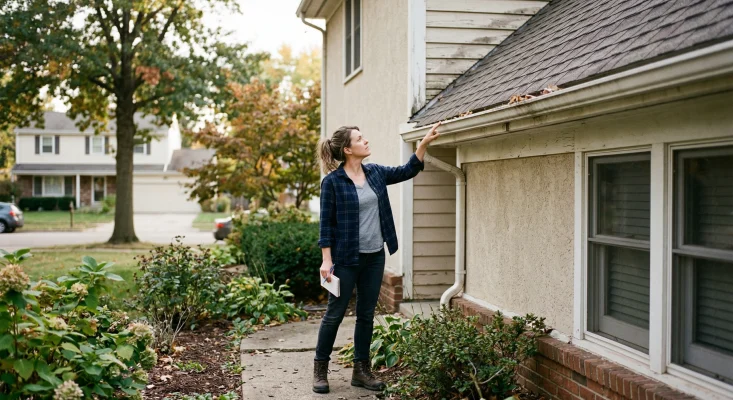
Dwelling coverage, also called Coverage A, is standard coverage in a homeowners insurance policy. Dwelling coverage helps protect your house, attached structures, and built-in features when covered damage from fire, windstorm, hail damage, or other listed perils affects your home.
Other structures
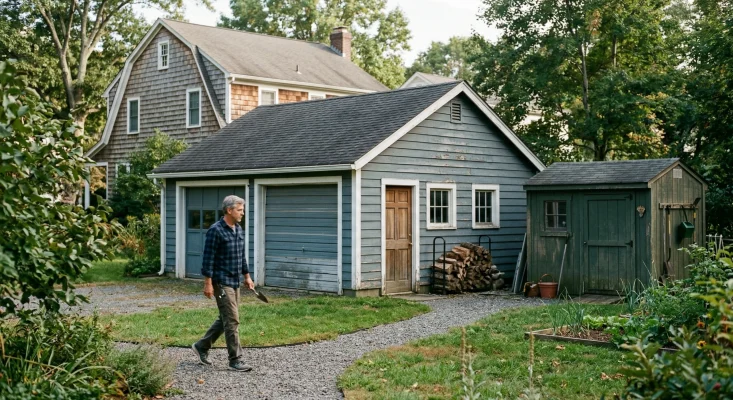
Other structures coverage, also called Coverage B, is standard coverage for structures not attached to your home. This homeowners insurance coverage can help protect a detached garage, fence, shed, or similar structure after covered property damage.

Personal possessions
Personal possessions coverage, also called Coverage C, is standard coverage for personal property inside your home. This homeowners insurance coverage can help protect furniture, clothing, electronics, and other belongings after theft, fire, smoke damage, or another covered loss.
Loss of use / additional living expenses
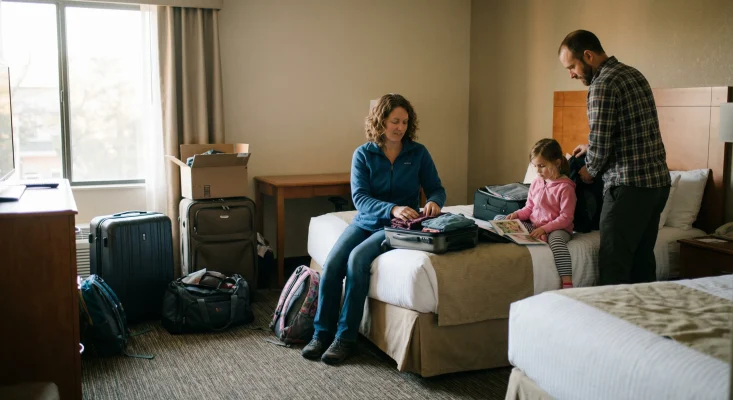
Loss of use coverage, also called Coverage D or additional living expenses, is standard coverage in many homeowners insurance policies. This coverage can help pay hotel, meals, and extra living costs when covered damage makes your home temporarily unlivable.

Personal liability
Personal liability coverage, also called Coverage E, is standard coverage that helps protect your finances if you are legally responsible for bodily injury or property damage. Homeowners insurance personal liability coverage can help with covered claims, legal costs, and settlements.

Medical payments to others coverage
Medical payments to others coverage, also called Coverage F, is standard coverage in a homeowners insurance policy. This coverage can help pay small medical expenses if a guest is injured on your property, regardless of fault, subject to policy limits.
Homeowners insurance policy
A homeowners insurance policy is a property and liability package that helps protect your home, personal property, and financial security after covered damage or liability claims. Common homeowners policy forms include HO-1 basic form, HO-2 broad form, HO-3 special form, HO-5 comprehensive form, HO-6 condo insurance, HO-7 mobile home form, and HO-8 modified coverage form. Coverage details, named perils, open perils coverage, exclusions, replacement cost coverage, and actual cash value terms may vary by policy.
Homeowners insurance cost
Homeowners insurance cost can depend on your home value, rebuild cost, location, claims history, roof age, deductible, liability limits, coverage options, and endorsements. Insurance cost may also vary by state, mortgage requirements, replacement cost estimates, and discounts for bundle options, protective devices, or claim-free history. A homeowners insurance quote helps you compare premium, deductible, and policy value before you choose coverage.
Homeowners insurance plan
A homeowners insurance plan should match your property, your budget, and the protection you need. One homeowners insurance plan may focus on standard coverage, while another may add scheduled property, sewer backup, higher liability limits, replacement cost coverage, or endorsements for broader protection. Marble City Insurance helps you review homeowners policy options, compare quote choices, and build a plan that protects your home and personal belongings.
Homeowners insurance FAQs
Homeowners insurance is a policy that helps protect your home, personal property, liability, and additional living expenses after covered damage, theft, or liability claims.
To get homeowners insurance, gather home information, review coverage needs, compare policy options, choose deductible and limits, and request a homeowners insurance quote.
Homeowners insurance benefits can include dwelling coverage, personal property protection, liability coverage, loss of use coverage, and financial protection after covered property damage or claims.
To make a homeowners insurance claim, contact your insurance company or agency, document damage, protect the property from further loss, and provide claim information.
Most homeowners need homeowners insurance for property protection, liability coverage, mortgage requirements, and financial security after fire, storm damage, theft, or other covered loss.
The most common types of homeowners insurance include HO-3 special form, HO-5 comprehensive form, HO-6 condo insurance, HO-7 mobile home form, and HO-8 modified coverage.
Homeowners insurance is usually not tax deductible for a primary home, though some insurance costs may be deductible for rental property or business use.
Hazard insurance is not the same as homeowners insurance, but hazard insurance is usually part of a homeowners insurance policy that covers certain physical property damage.
Homeowners insurance is not required by state law in most cases, but mortgage lenders usually require homeowners insurance to protect the home and loan.
Homeowners insurance may cover water damage from sudden, accidental covered events, but homeowners insurance usually does not cover flooding, seepage, or poor maintenance.
Homeowners insurance may cover plumbing damage when a sudden covered loss damages the system or the home, but maintenance issues and wear usually are excluded.
Homeowners insurance may cover roof leaks when a covered peril causes sudden damage, but homeowners insurance usually does not cover old age or neglect.
Homeowners insurance usually covers fire and lightning damage under standard coverage, subject to policy terms, exclusions, limits, deductible, and claim conditions.
Homeowners insurance usually does not cover termite damage because termite damage is considered preventable maintenance, not sudden accidental property damage from a covered peril.
Homeowners insurance often covers wildfire damage, depending on policy terms, state rules, carrier guidelines, exclusions, and the property location or risk level.
Homeowners insurance usually does not cover flooding. Flood insurance is typically separate coverage for rising water, overflow, and flood-related property damage.
Homeowners insurance may cover HVAC damage when a covered peril causes sudden loss, but homeowners insurance usually does not cover wear, age, or maintenance.
Homeowners insurance often covers theft of personal property, subject to policy limits, deductible, exclusions, and special limits for valuables or scheduled property.
Homeowners insurance often covers tornado damage, windstorm damage, and related property damage, subject to deductible, exclusions, policy terms, and claim conditions.
Homeowners insurance may cover fences under other structures coverage when covered property damage affects the fence, subject to limits, deductible, and policy terms.
Homeowners insurance may cover mold only when mold results from a covered loss, but homeowners insurance usually limits or excludes long-term moisture damage.